Terrazzo Colourways
231 colourways, measured the same four ways, from two published catalogues.
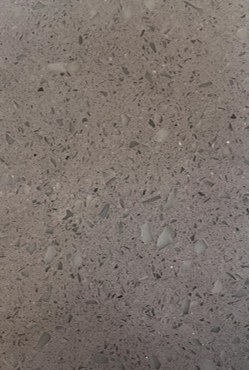
Our colourway library brings together 231 terrazzo colourways from our suppliers’ published catalogues — each shown from the manufacturer’s own photograph, with the maker’s marks removed and the colour on screen stated as a measured reference, not a colour-match. The full grid, the measured figures and the photographs of the material in use are below.
What this library is
Terrazzo colourways taken from two manufacturers' published catalogues with the companies' marks removed: one prints its references as numbers and ten named ones, the other prints its series and names on every slide. We buy from both makers, so these are colourways we can source and cut to your format — and they are shown here as the makers' own swatch photographs, measured, so that two pale greys can be compared instead of argued about.
⛔ The performance figures are deliberately absent. The first catalogue's page 4 prints a column of numbers whose labels are drawn as artwork, so which number belongs to which property cannot be read from the file; the second is a slide deck that prints its performance claims as prose and photographs. A number whose label is unknown is not a specification. The figures this page carries are the four measured ones, and each says what it measured.
How to read a colourway
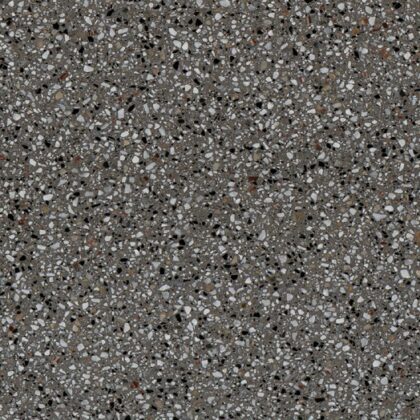
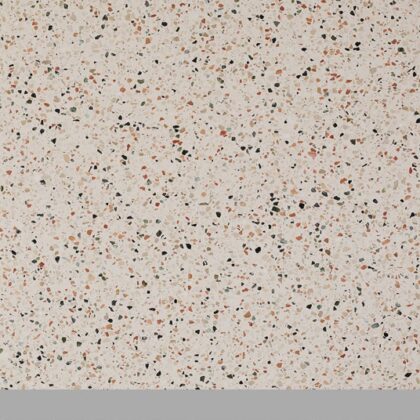
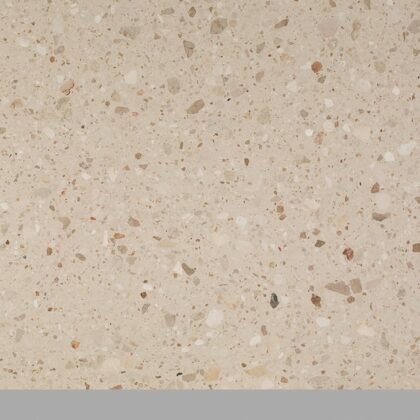
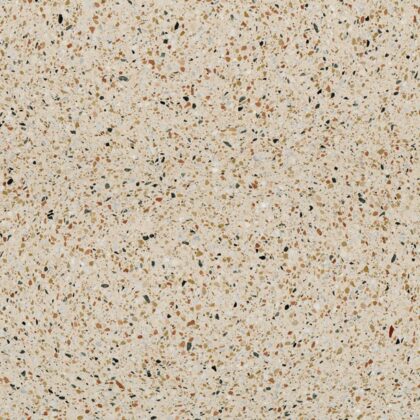
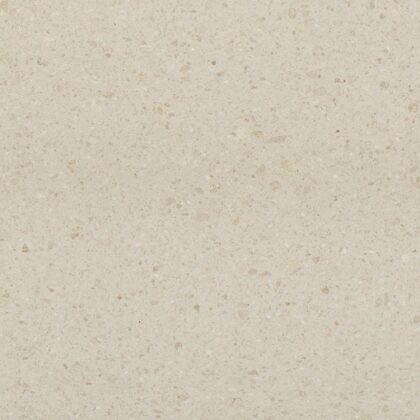
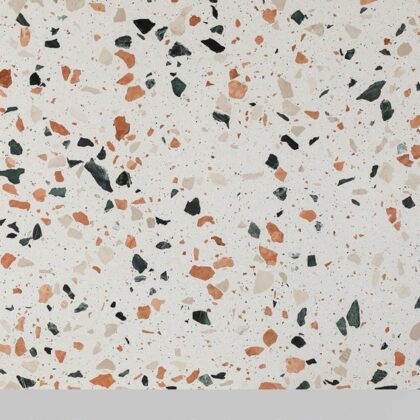
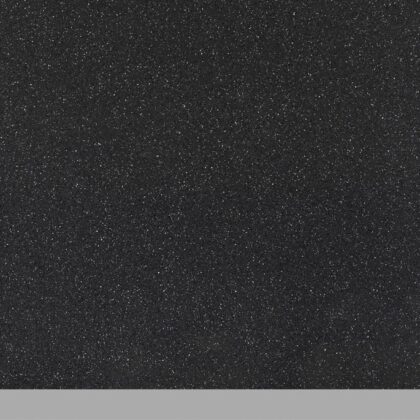
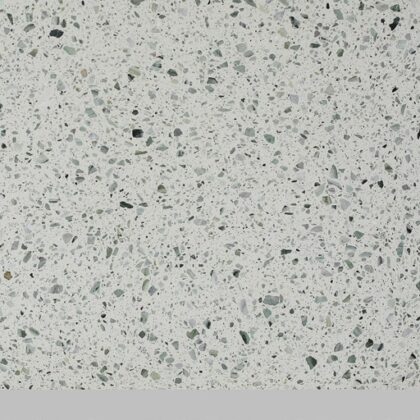
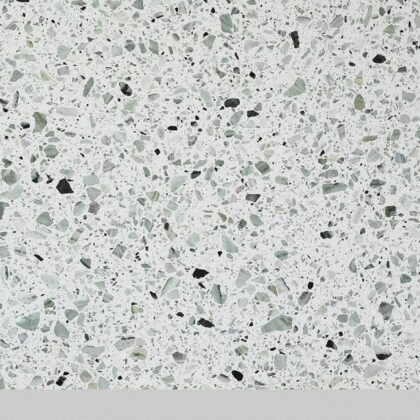
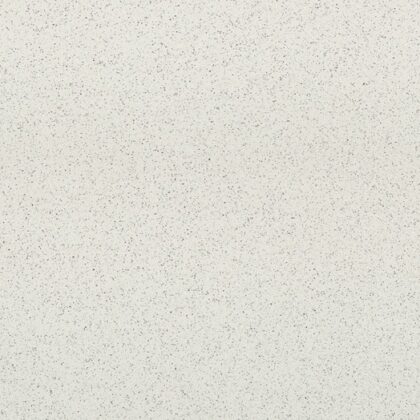
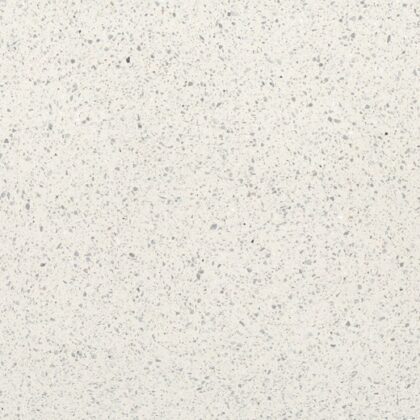
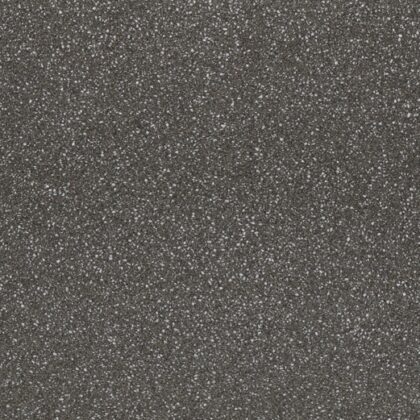
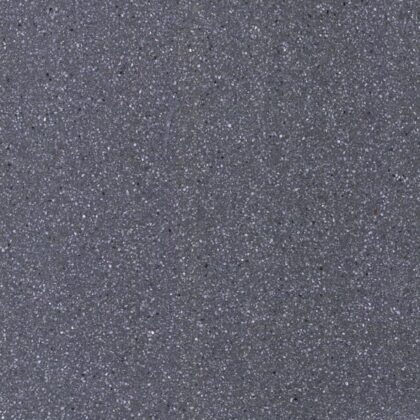
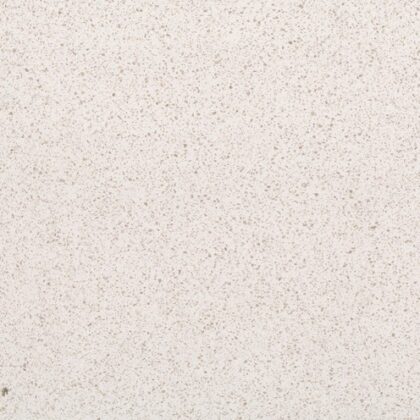
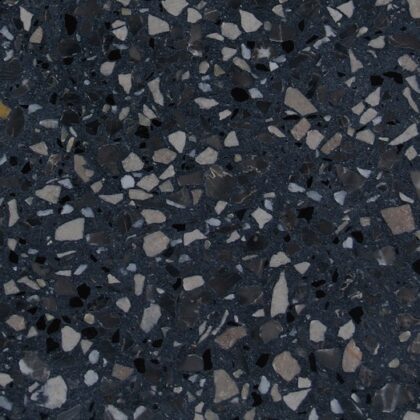
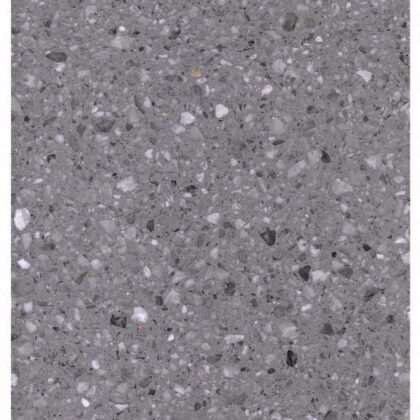
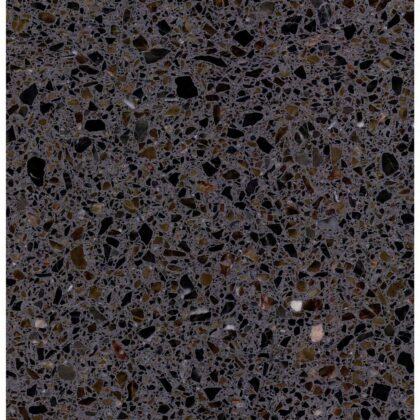
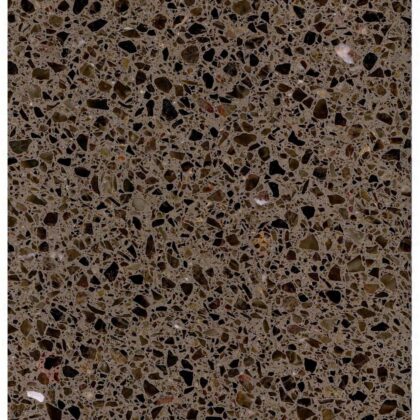
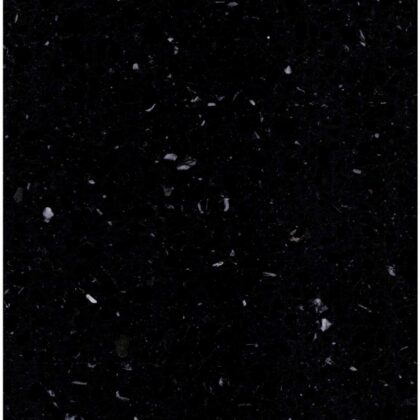
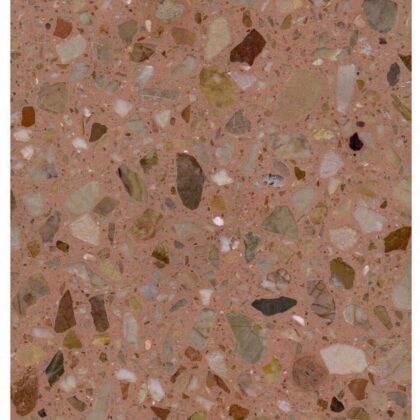
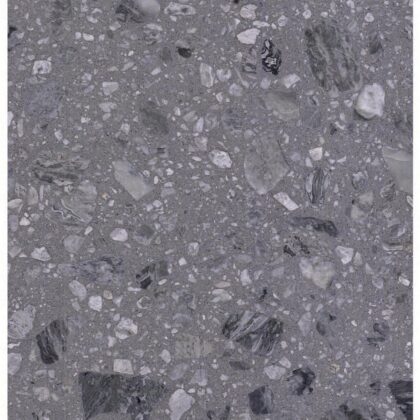
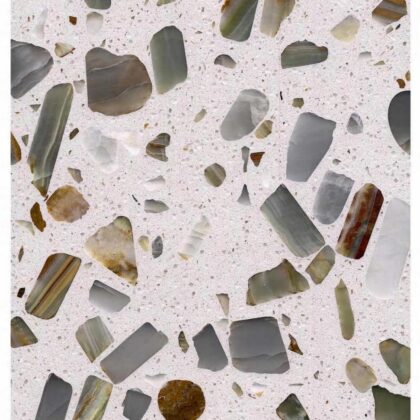
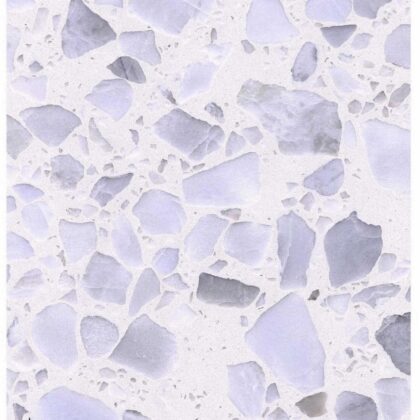
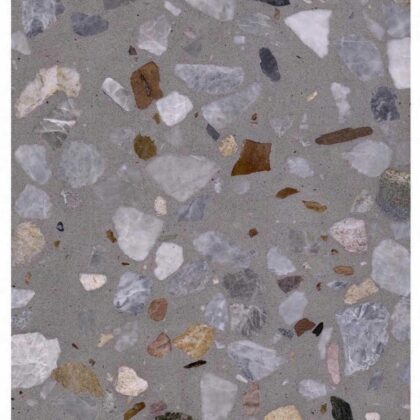
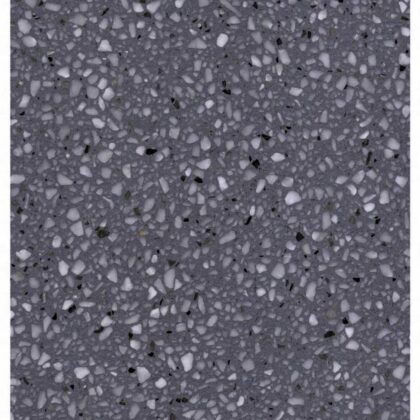
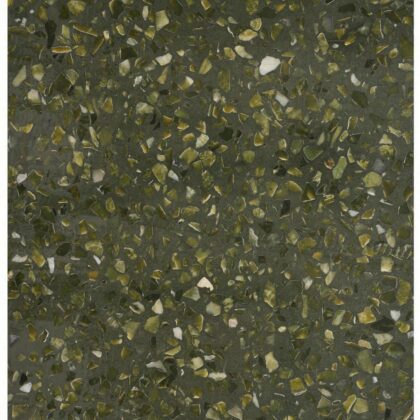
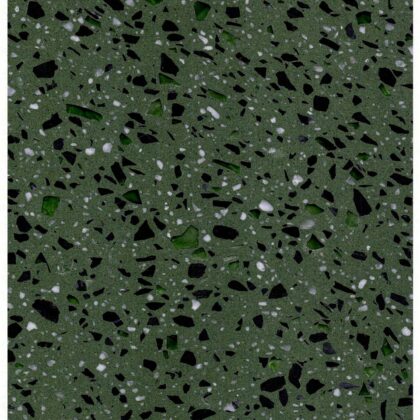
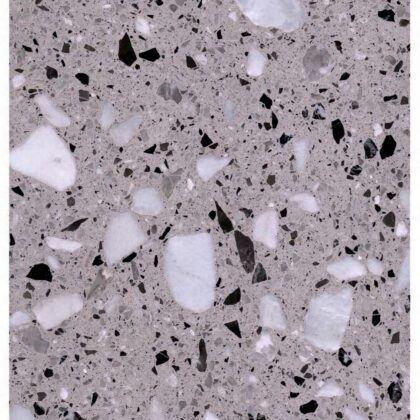
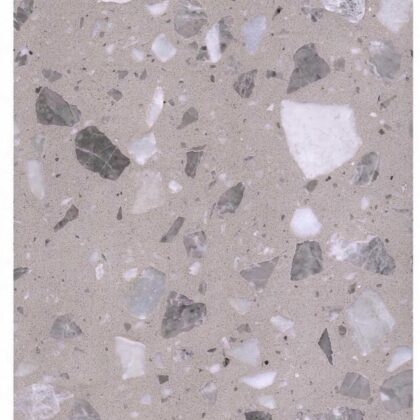
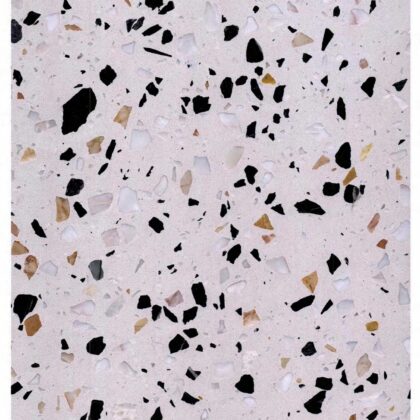
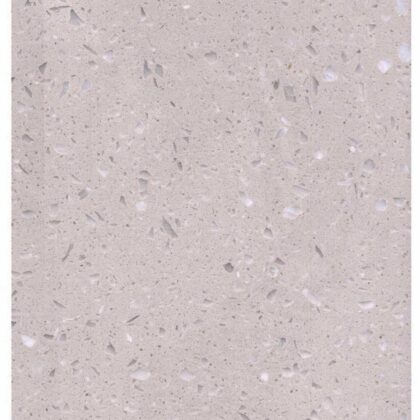
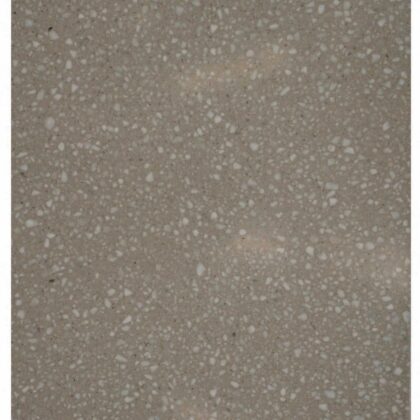
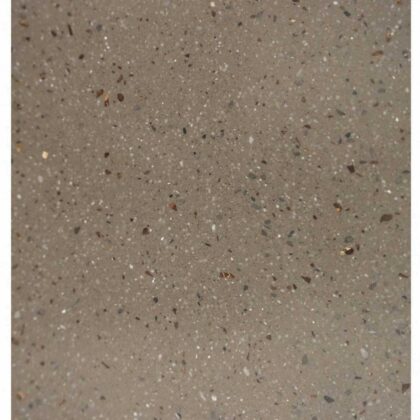
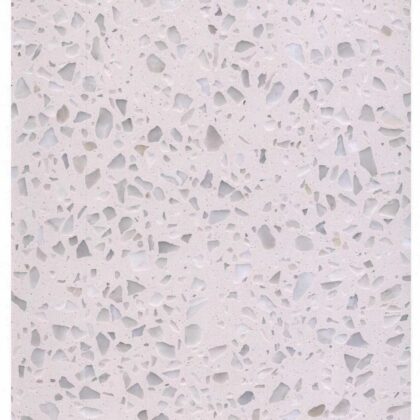
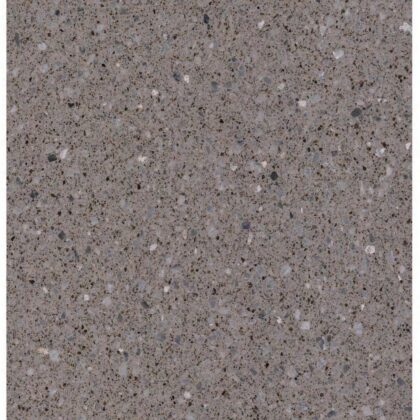
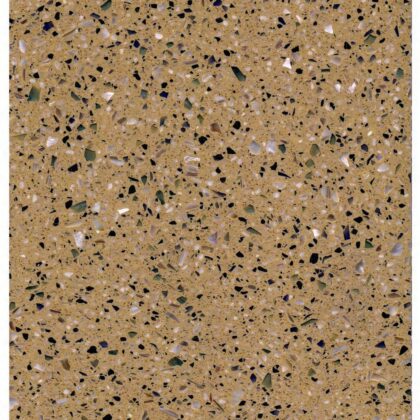
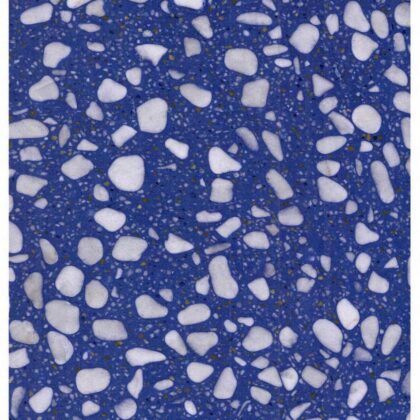
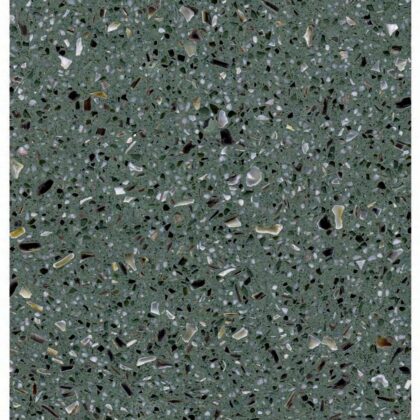
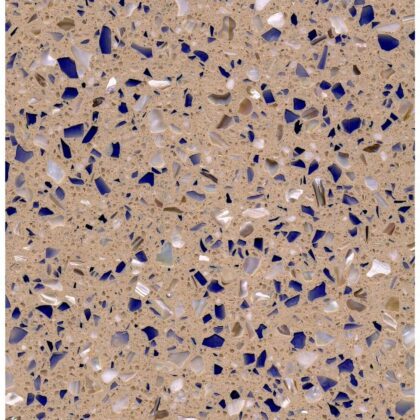
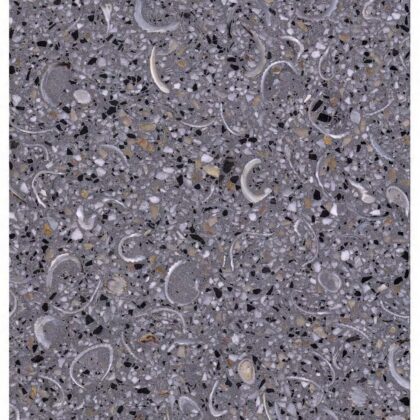
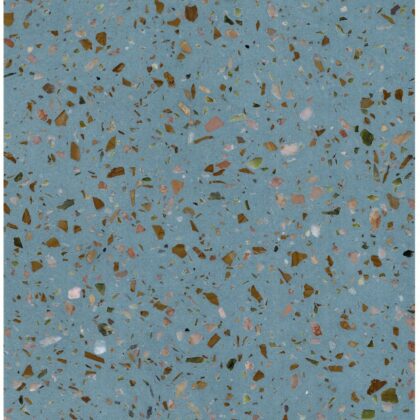
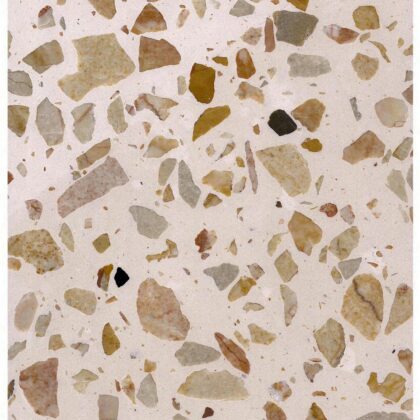
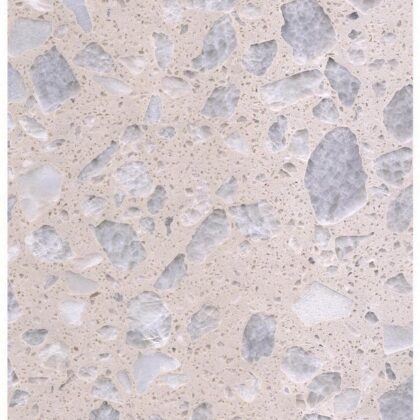
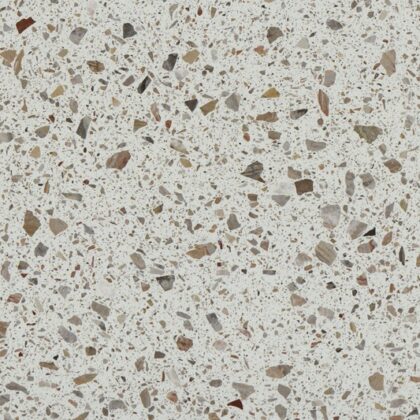
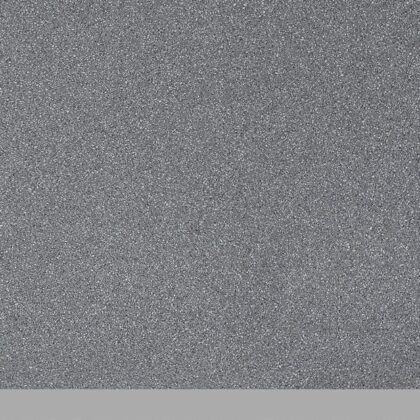
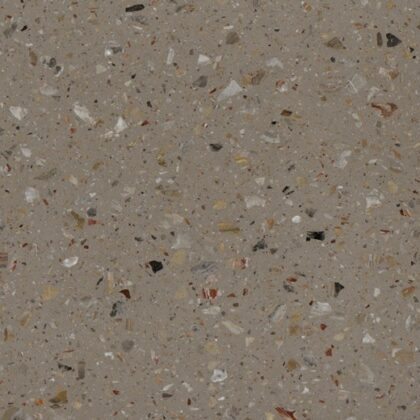
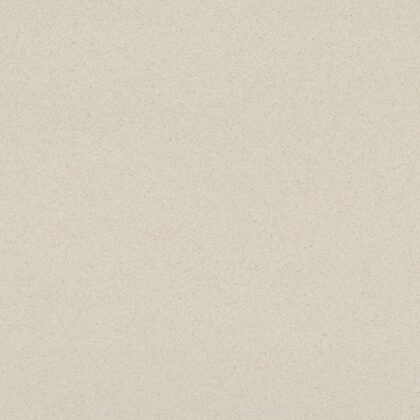
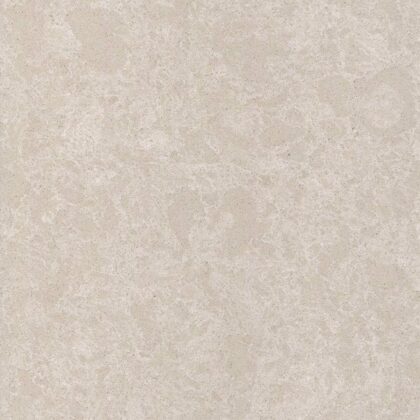
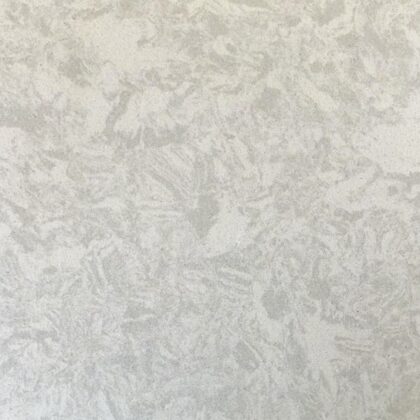
The same four figures were measured from every swatch photograph, by taking the picture apart pixel by pixel. No sample was made for any entry here, and none of these figures is a test result — they are measurements of a photograph, which is a different thing, and they are what a colour choice can honestly rest on until a sample arrives.
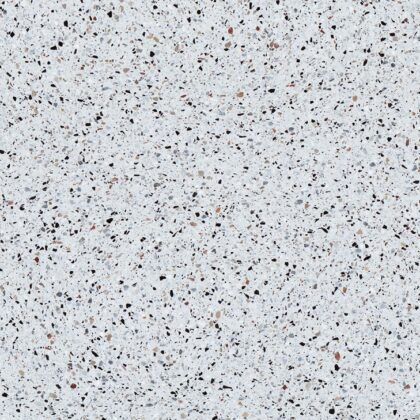
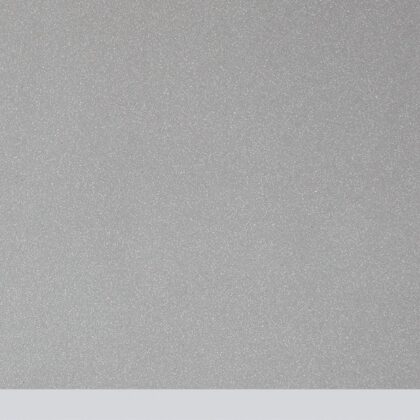
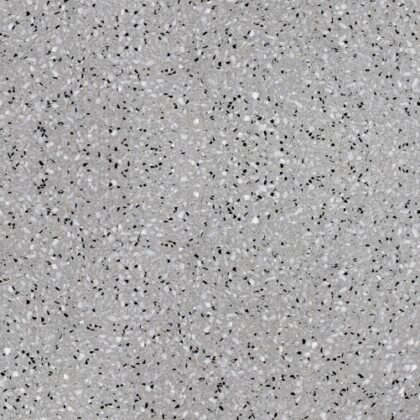
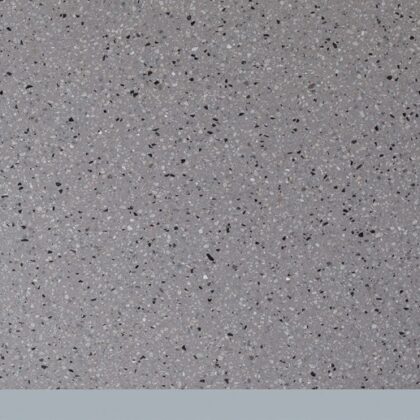
- Mean surface colour. The average colour of the whole swatch: the binder, plus everything the chips do to it.
- Chip darkness. The 10th-percentile luminance — how dark the darkest tenth of the surface gets. This is the contrast in the mix.
- Surface below mid-grey. The share of the swatch darker than half brightness: how much of the pattern is dark.
- Mean saturation. How far the colour sits from grey, on average.
The first catalogue's standard formats are 600 x 600 mm, 800 x 800 mm, 2400 x 1600 mm and 2400 x 1800 mm at 20 mm or 30 mm. The second prints no size table at all — its slides show the application, not the formats — so any entry from it is cut to order: tile, slab, stair tread, threshold, countertop or wall panel. What the page does not do is borrow the first catalogue's sizes for the second's products.
PXS 100 – 1099 36 colourways
The catalogue prints no series names, so this is its number range and nothing more.
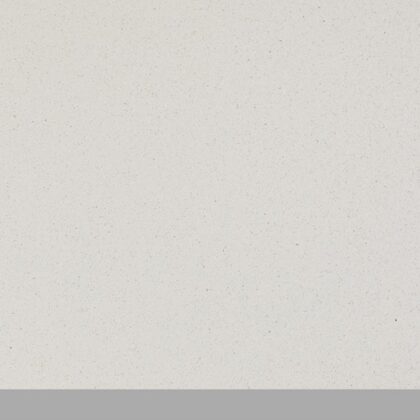 PXS 1022
 PXS 1058
 PXS 1005
 PXS 1065
 PXS 1012
 PXS 1019
 PXS 1026
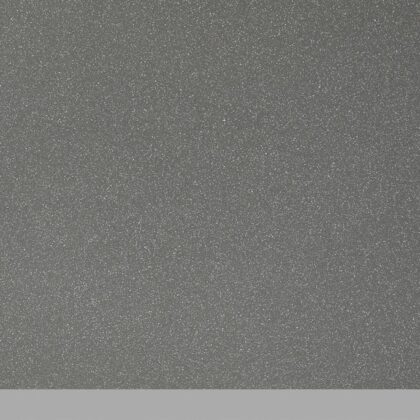 PXS 1044
 PXS 1056
 PXS 1057
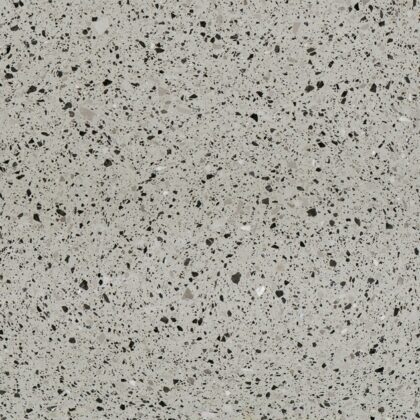 PXS 1064
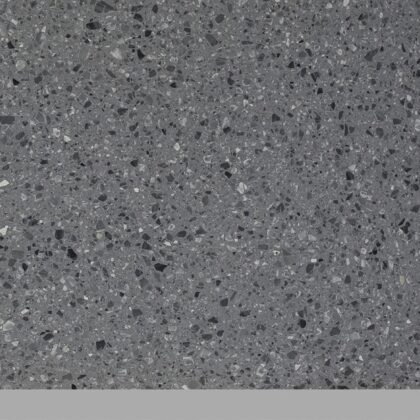 PXS 1069
 PXS 1078
 PXS 1082
 PXS 1007
 PXS 1010
 PXS 1042
 PXS 1047
 PXS 1067
 PXS 1074
 PXS 1076
 PXS 1080
 PXS 1081
 PXS 1097
 PXS 1043
 PXS 1051
 PXS 1059
 PXS 1077
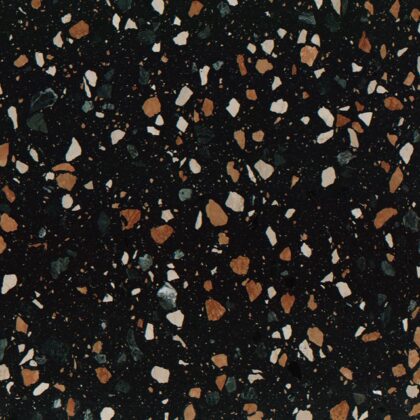 PXS 1096
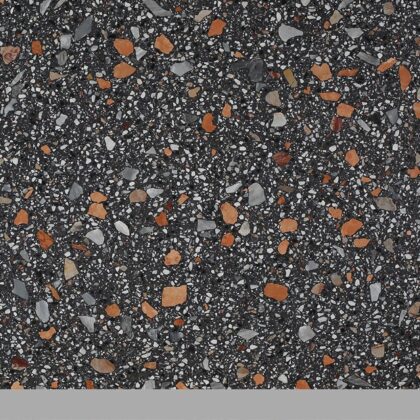 PXS 1098
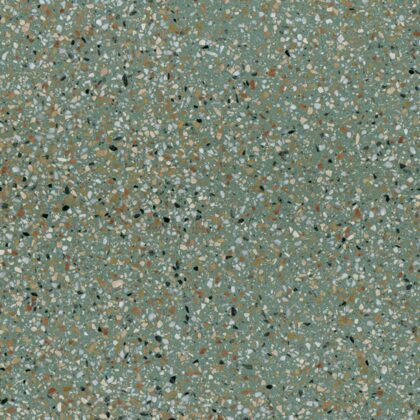 PXS 1073
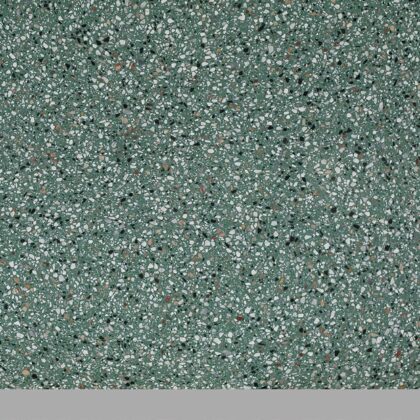 PXS 1079
 PXS 1095
 PXS 1099
 PXS 1075
 PXS 1072
PXS 8100 – 81000 18 colourways
The catalogue prints no series names, so this is its number range and nothing more.








PXS 221010 – 221012 8 colourways
The catalogue prints no series names, so this is its number range and nothing more.


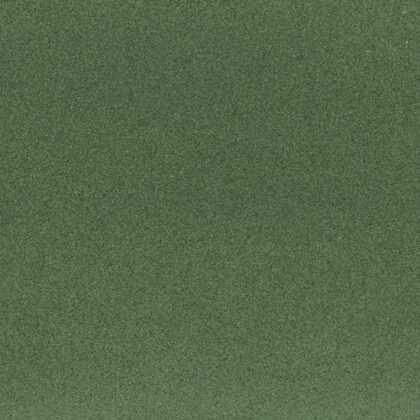
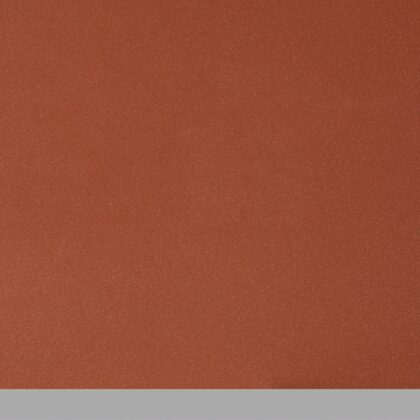
PXS 230103 1 colourway
The catalogue prints no series names, so this is its number range and nothing more.

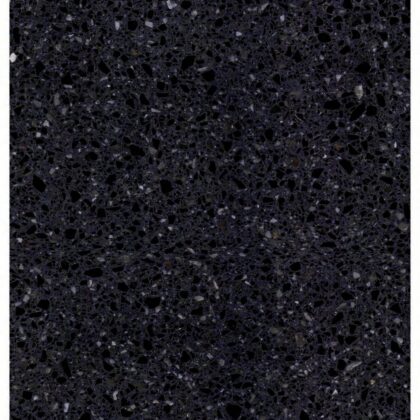
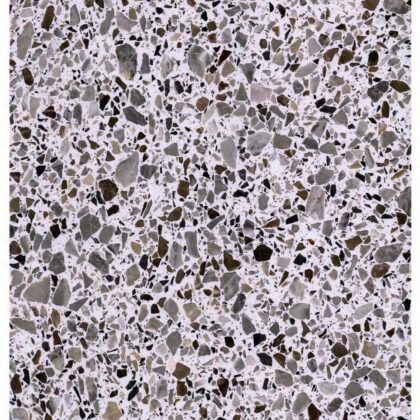
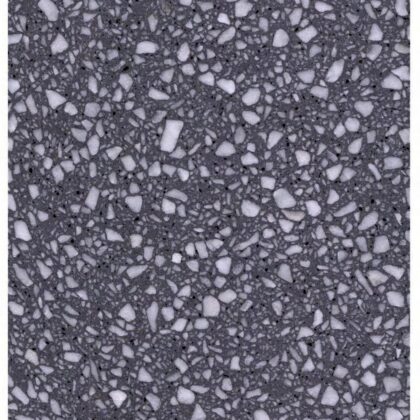
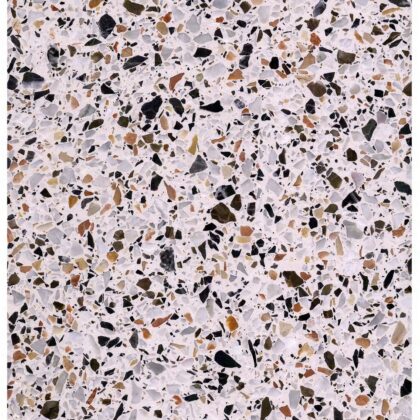
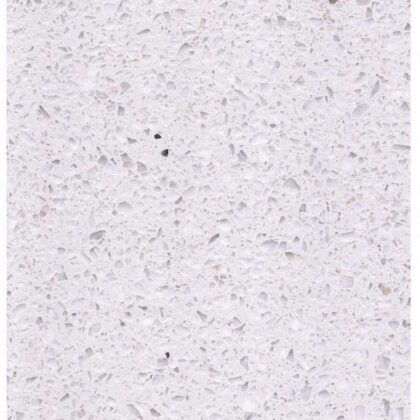
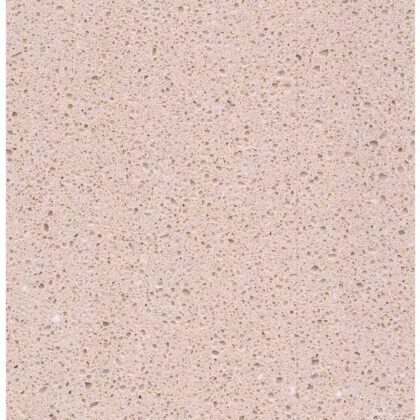
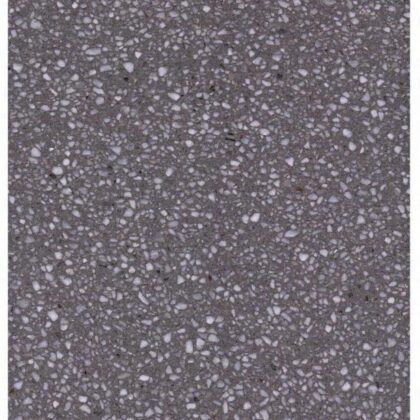
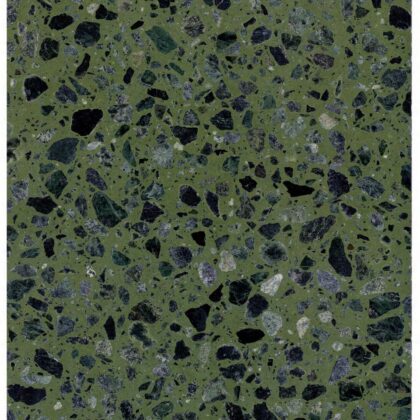
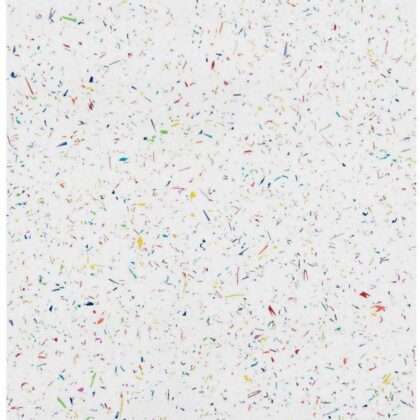
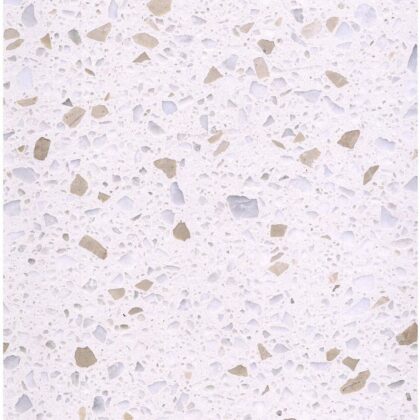
DXW 200 series 26 colourways
The Dongxing catalogue prints no series names either, so this is its number range and nothing more. The colours are numbered DXW201 upward and each number is the one a buyer quotes.
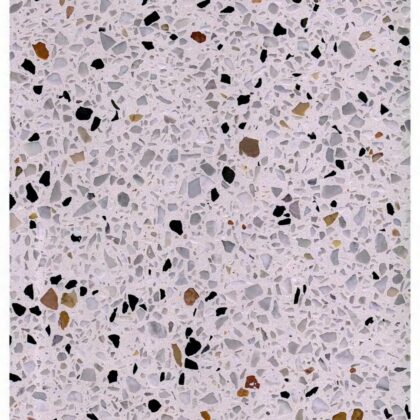
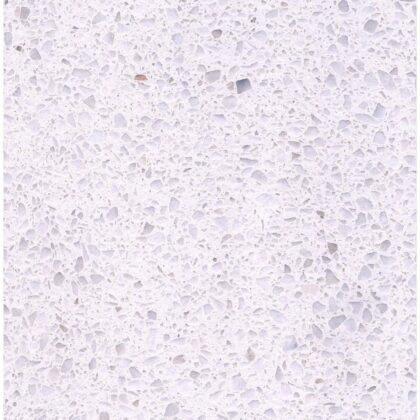









DXW 300 series 6 colourways
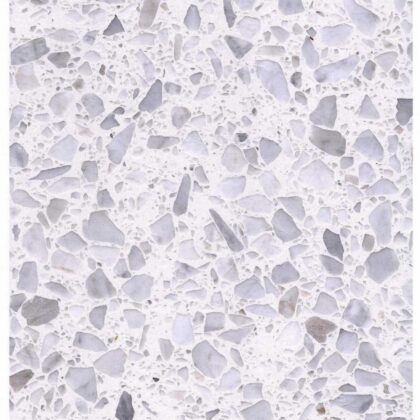
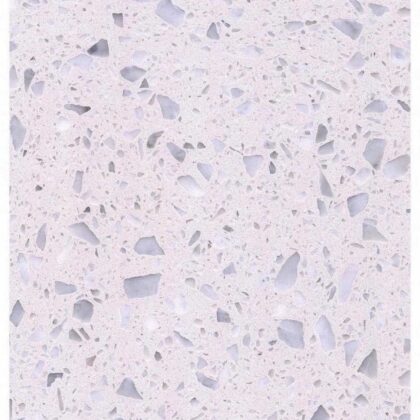
The Dongxing catalogue prints no series names either, so this is its number range and nothing more. The colours are numbered DXW301 upward and each number is the one a buyer quotes.

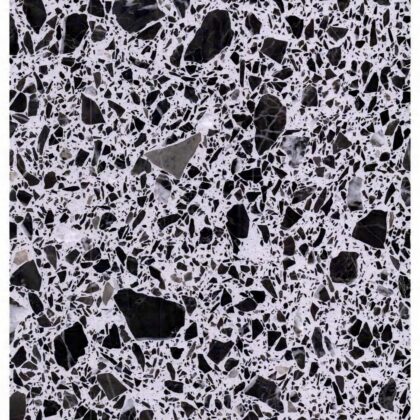

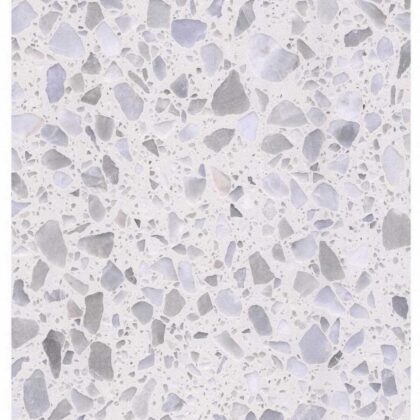
DXW 500 series 18 colourways
The Dongxing catalogue prints no series names either, so this is its number range and nothing more. The colours are numbered DXW501 upward and each number is the one a buyer quotes.

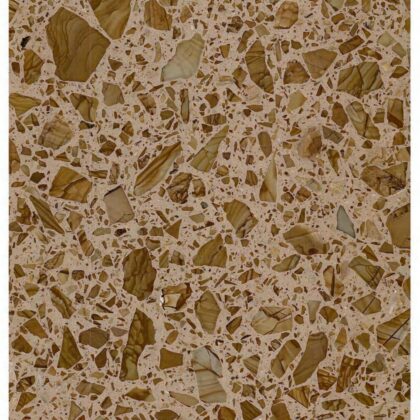
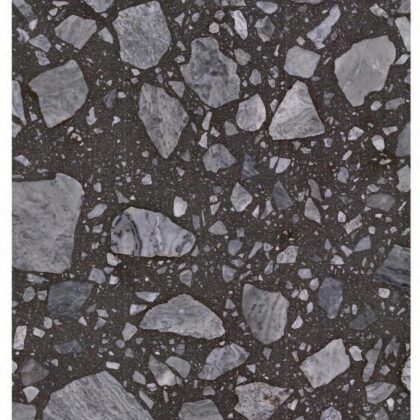



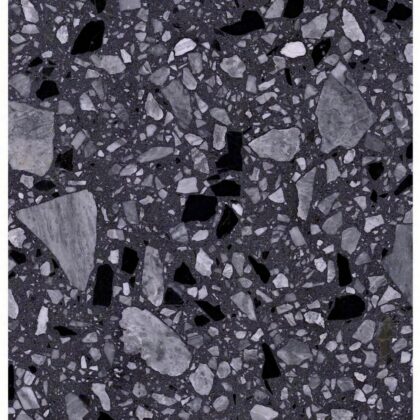

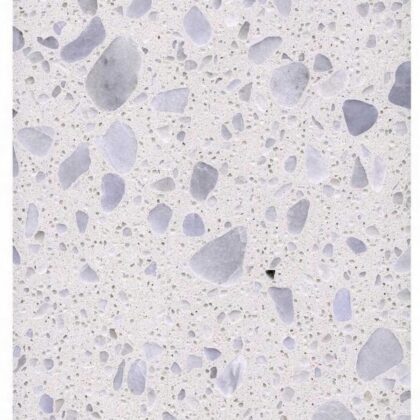
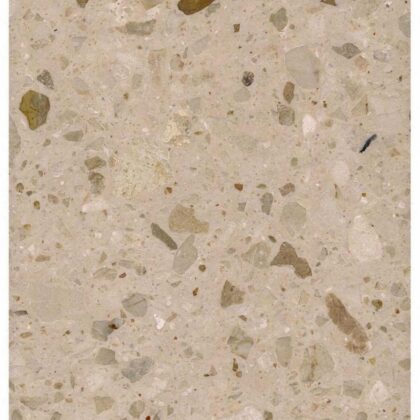

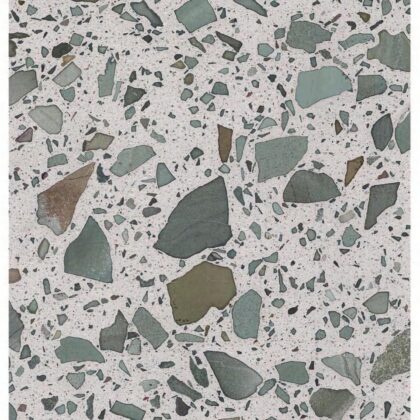
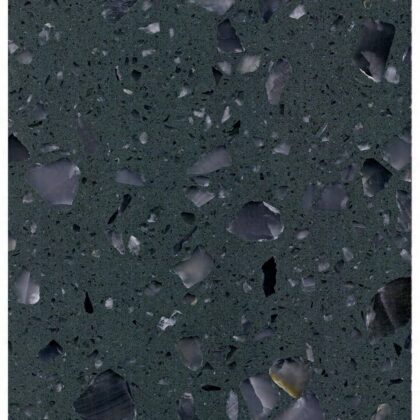

DXW 600 series 27 colourways
The Dongxing catalogue prints no series names either, so this is its number range and nothing more. The colours are numbered DXW601 upward and each number is the one a buyer quotes.
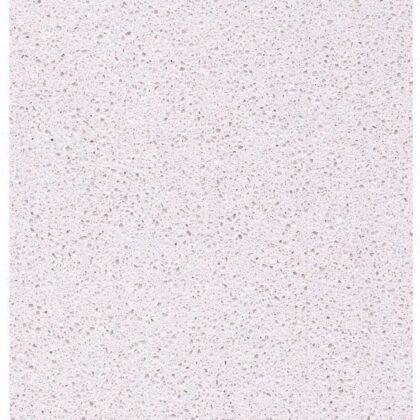
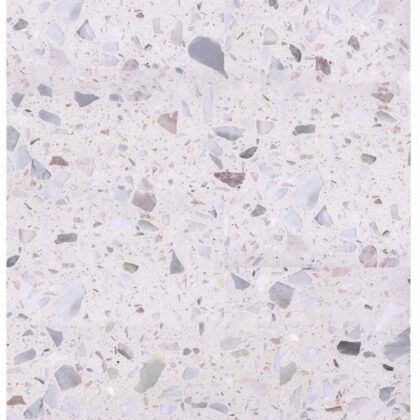

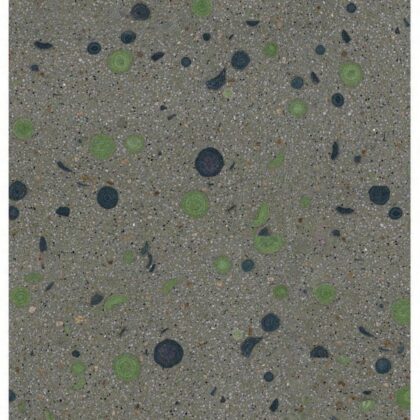
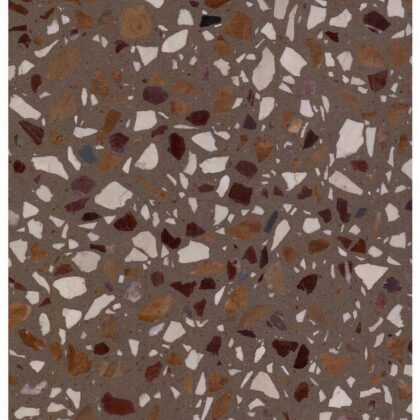
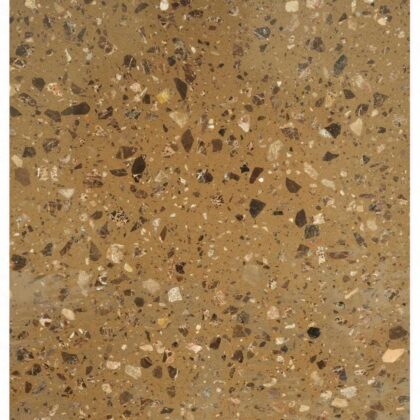
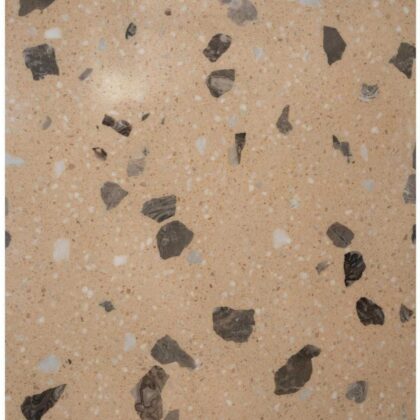
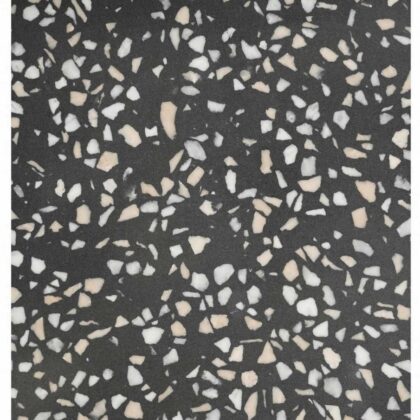





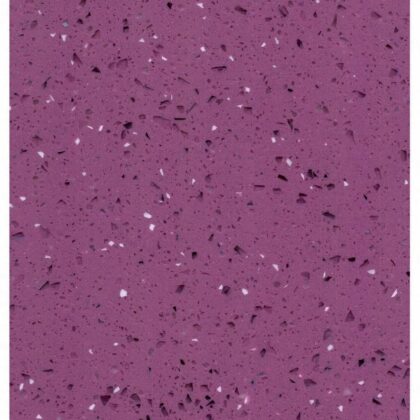
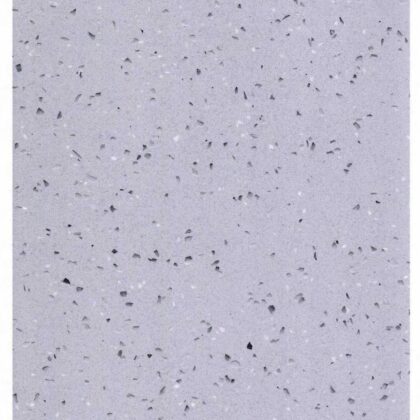
DXW 700 series 10 colourways
The Dongxing catalogue prints no series names either, so this is its number range and nothing more. The colours are numbered DXW701 upward and each number is the one a buyer quotes.

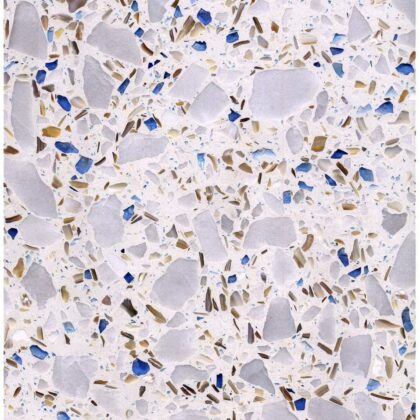
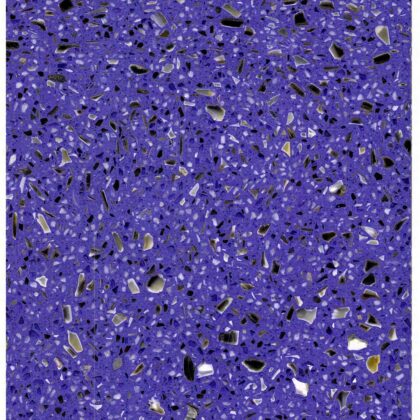

DXW 800 series 3 colourways
The Dongxing catalogue prints no series names either, so this is its number range and nothing more. The colours are numbered DXW801 upward and each number is the one a buyer quotes.


DXW 900 series 22 colourways
The Dongxing catalogue prints no series names either, so this is its number range and nothing more. The colours are numbered DXW901 upward and each number is the one a buyer quotes.
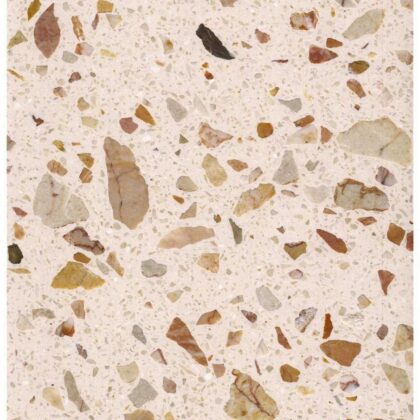
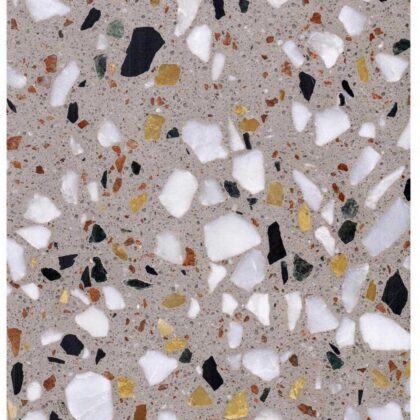
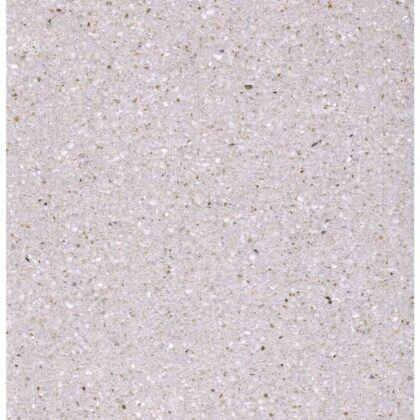
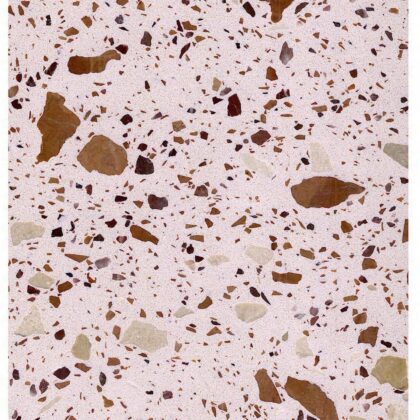

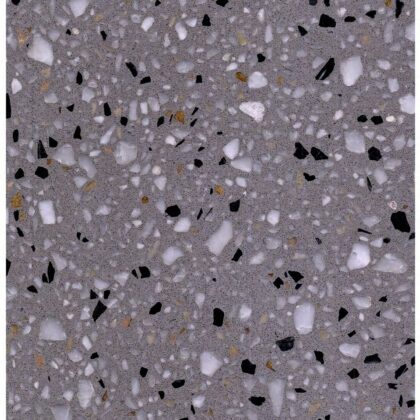

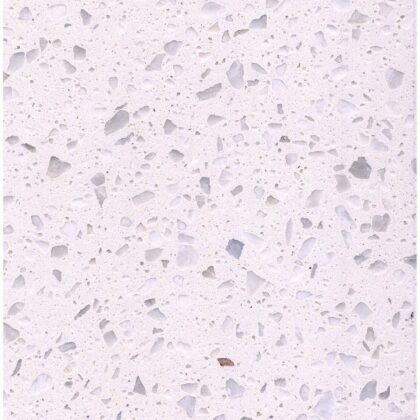

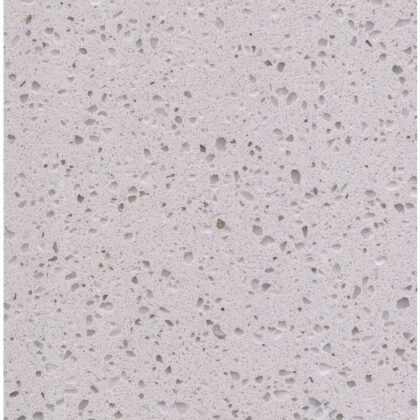
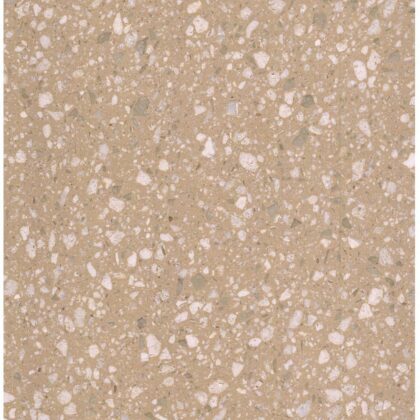
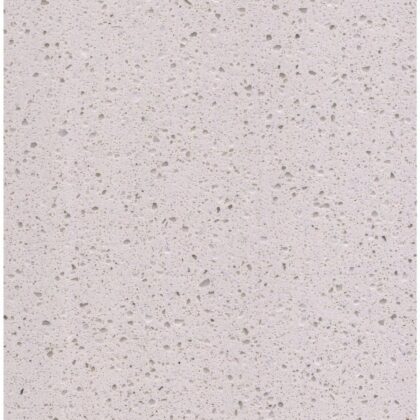

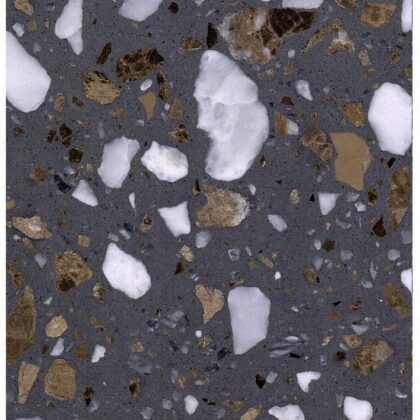
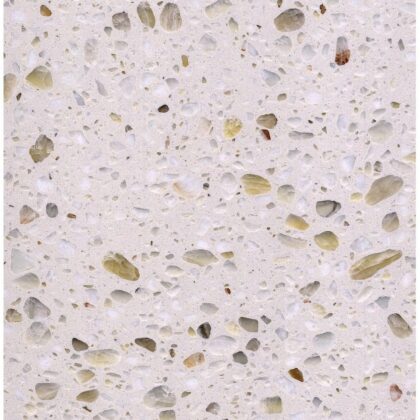
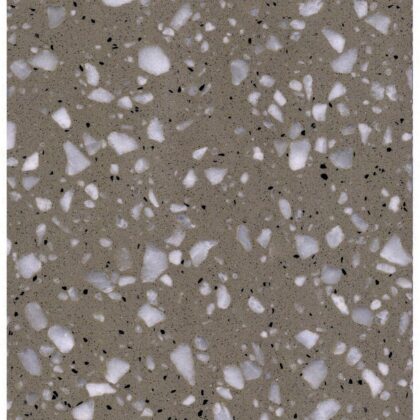

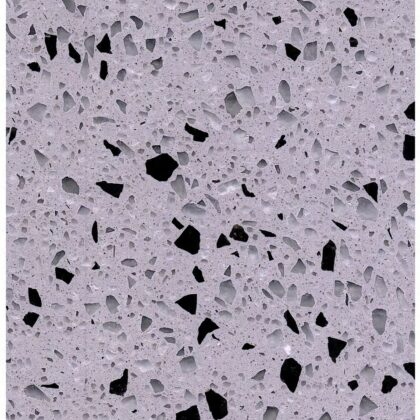
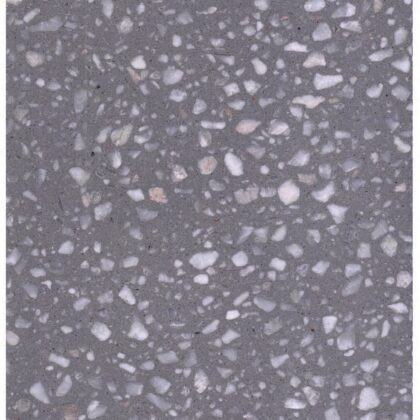
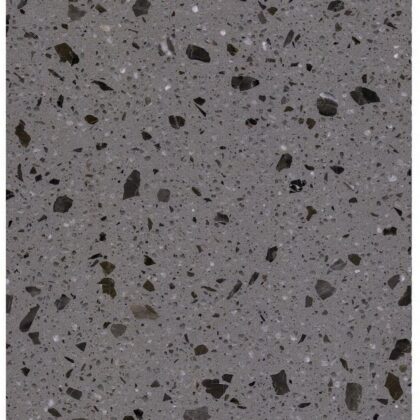
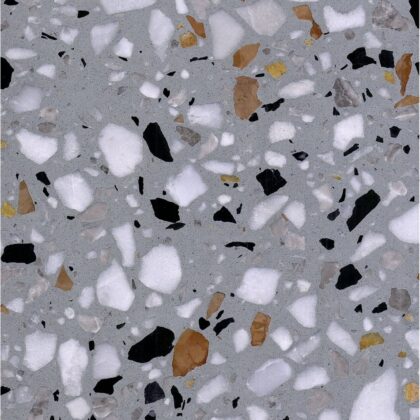
Named colourways 20 colourways
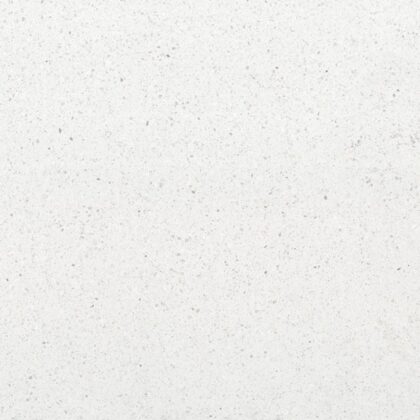
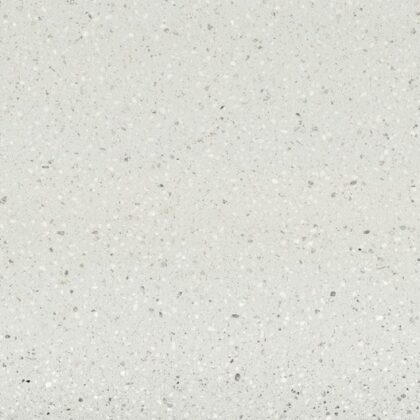
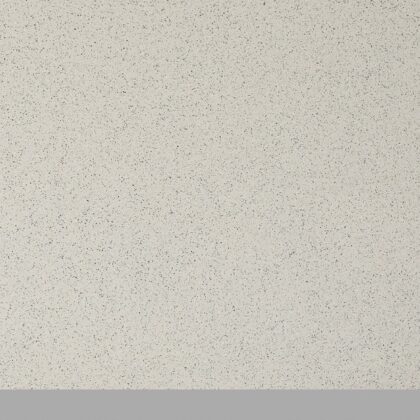
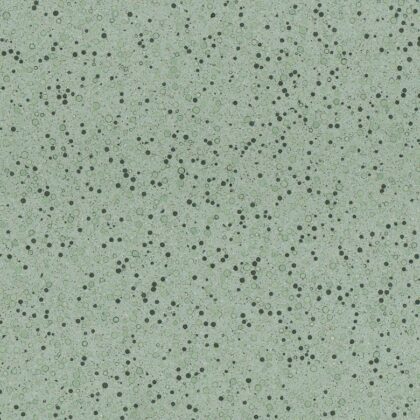
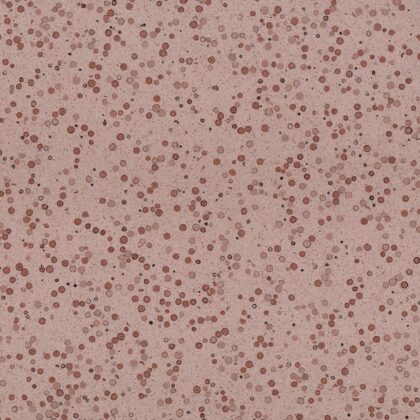
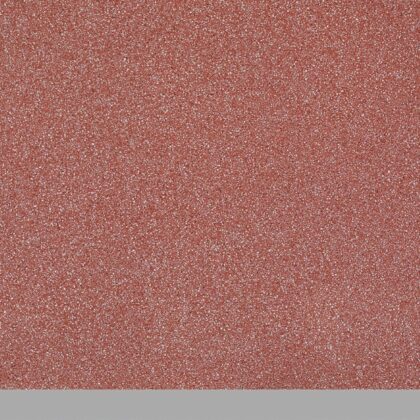
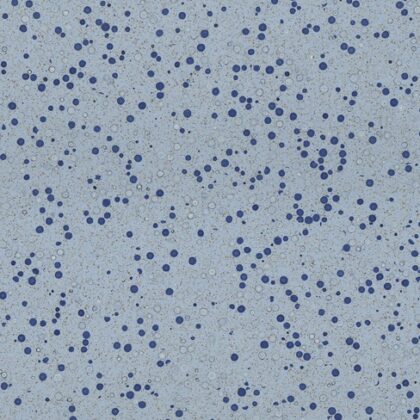
Ten colourways from the first catalogue carry the maker's own names; the rest are numbered. The English names are literal renderings of those names.







Two-tone series 3 colourways
The slide deck prints this series name in Chinese, not English. The mix is a light binder with a sparse, even chip spread.


Blooming multi-colour series 4 colourways
The slide deck prints this series name in Chinese, not English. Several chip sizes and colours read at once.

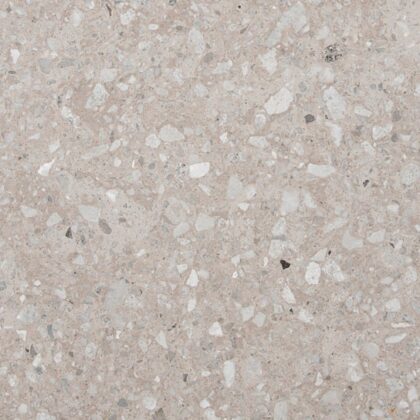
Medium aggregate series 3 colourways
The slide deck prints this series name in Chinese, not English. Medium chip in a light binder.
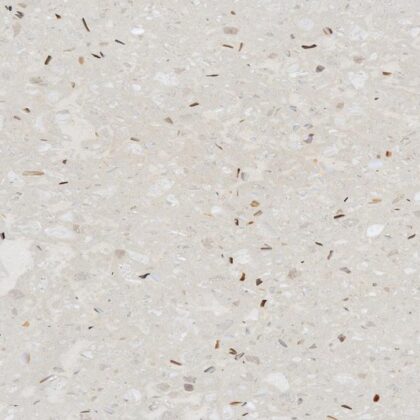
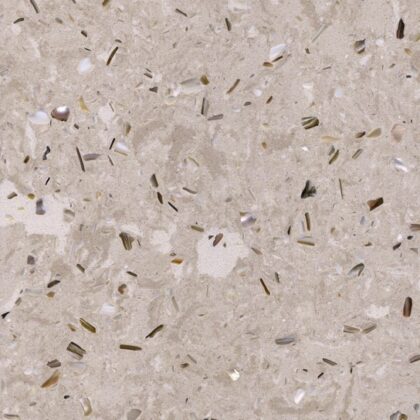
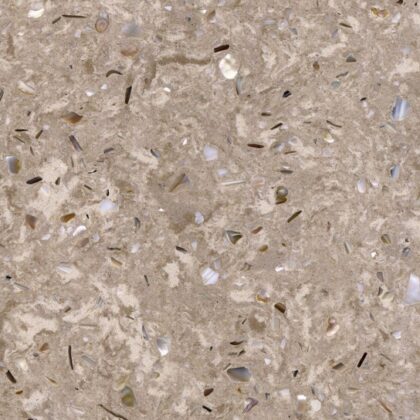
Weathered limestone series 5 colourways
The slide deck prints this series name in Chinese, not English. A limestone look, cut and filled like weathered stone.
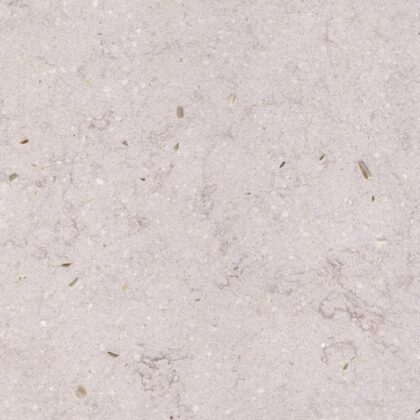
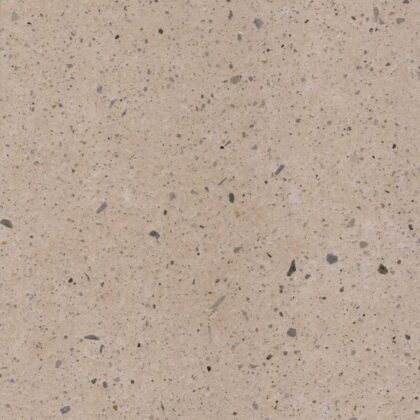

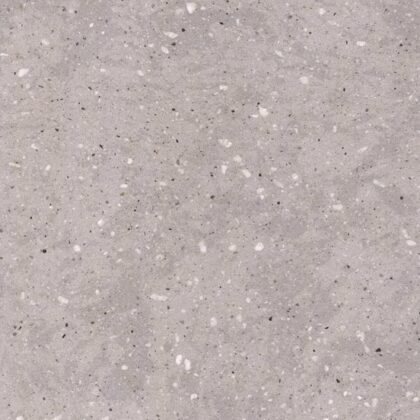

Large aggregate series 9 colourways
The slide deck prints this series name in Chinese, not English. Large chip in a light binder.
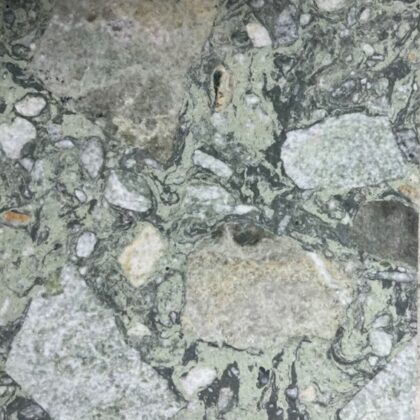

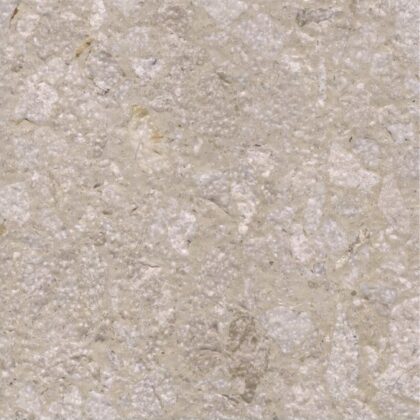


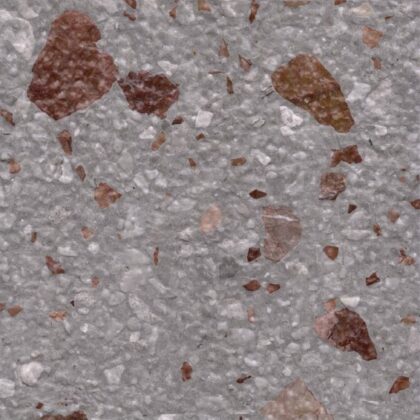
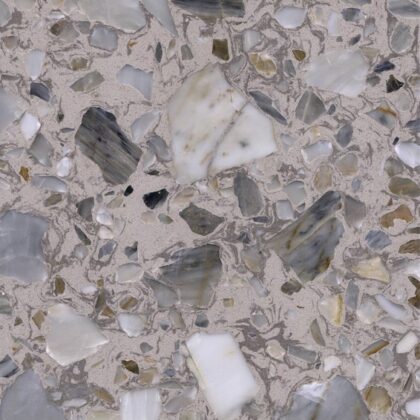
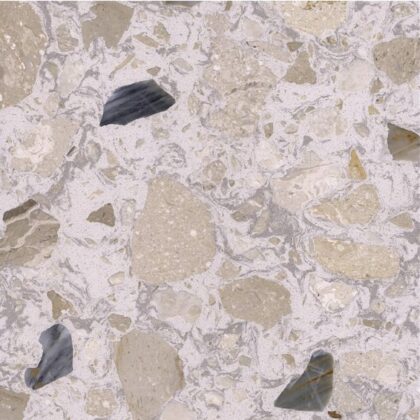
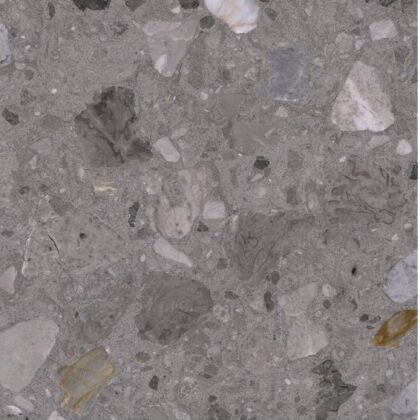
Artificial travertine series 7 colourways
The slide deck prints this series name in Chinese, not English. An artificial travertine, banded rather than chipped.
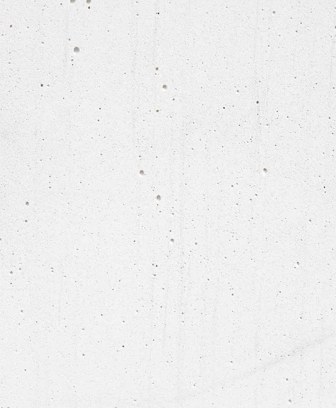

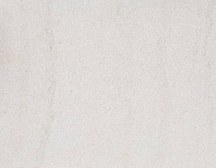



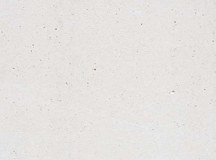
Art panel series 4 colourways
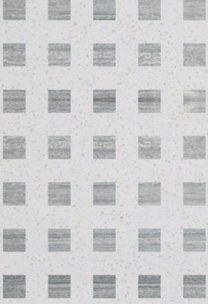
The slide deck prints this series name in Chinese, not English. Patterned panels, the pattern laid in the mix.
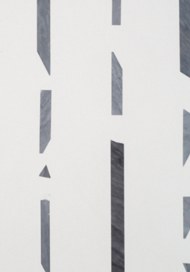
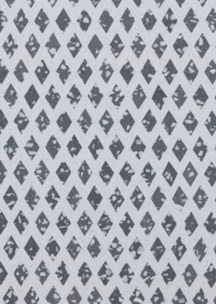
Luminous panel 1 colourway
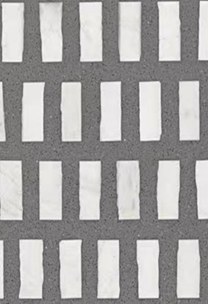
The slide deck prints this series name in Chinese, not English. A luminescent mix, shown here in daylight and after dark.
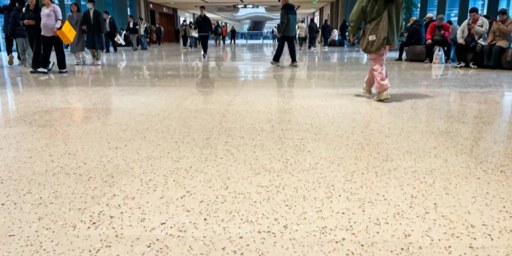
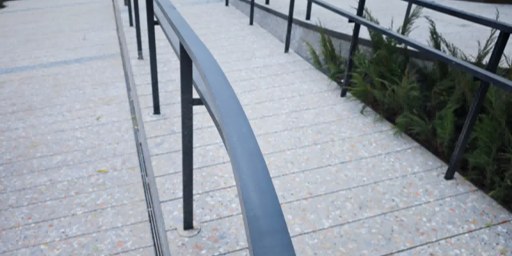
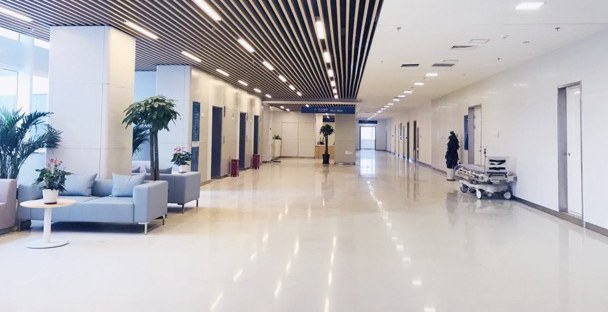
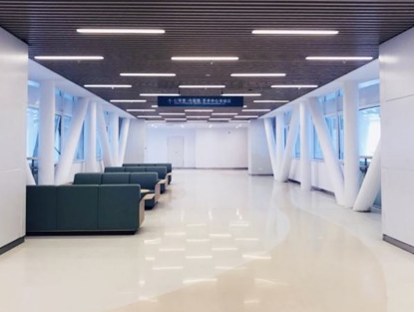
The material in use
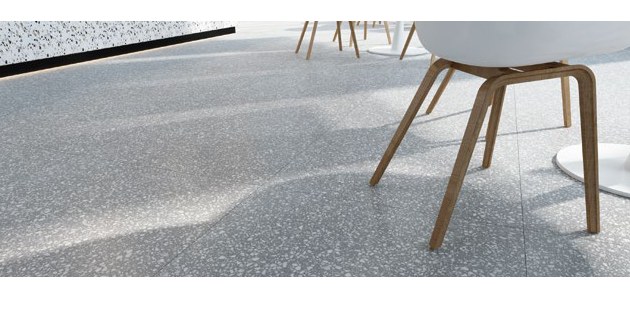
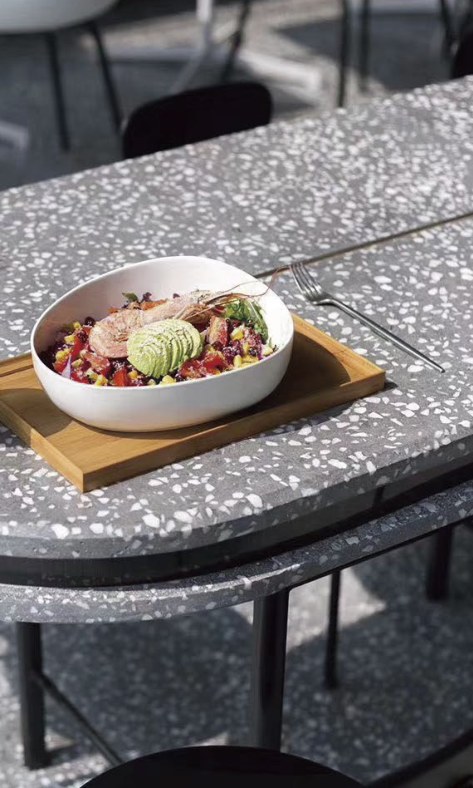
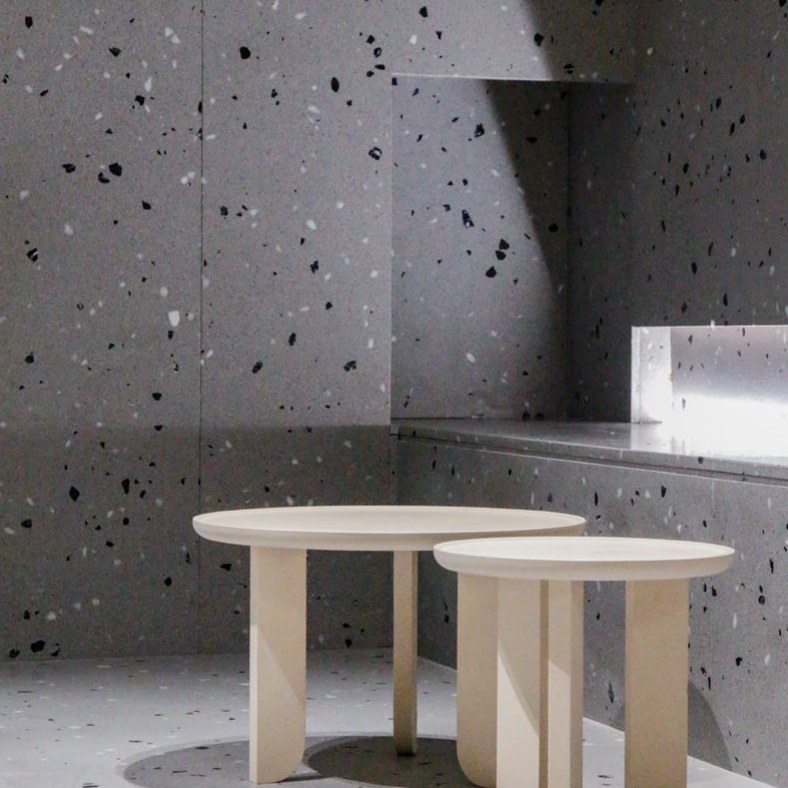
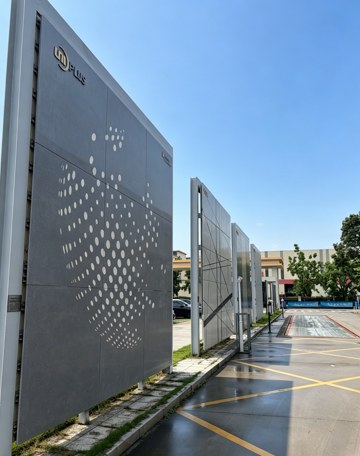
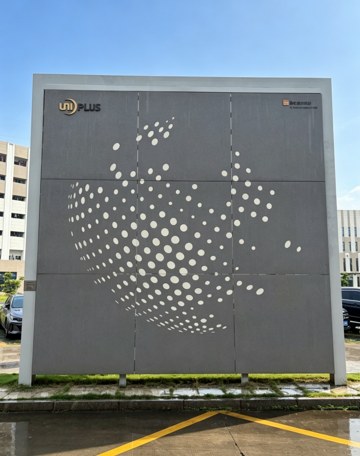
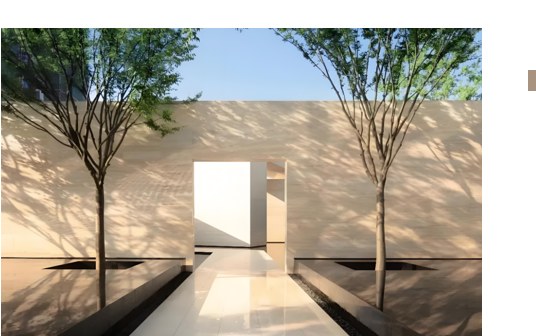
Photographs from both catalogues, with the makers' marks removed. They are reference photographs of the material in somebody else's interior — not projects we supplied and not photographs of goods we made — and they are here because a colourway is chosen for a floor or a table, not for a grid.



Where to start
What colours can terrazzo be made in? answers the question behind the library — where the colour comes from, and what the binder allows. When you have a shortlist of codes, ask for samples of the batches, because a swatch on a screen is not a colour-match, and send us the specification when you are ready to quote.
Every swatch and every photograph on this page is a manufacturer's published image, shown here with the companies' marks removed and with no claim that the goods were made by us. The colour on a screen is not a colour-match; a sample of the batch decides.