How thick is terrazzo flooring?
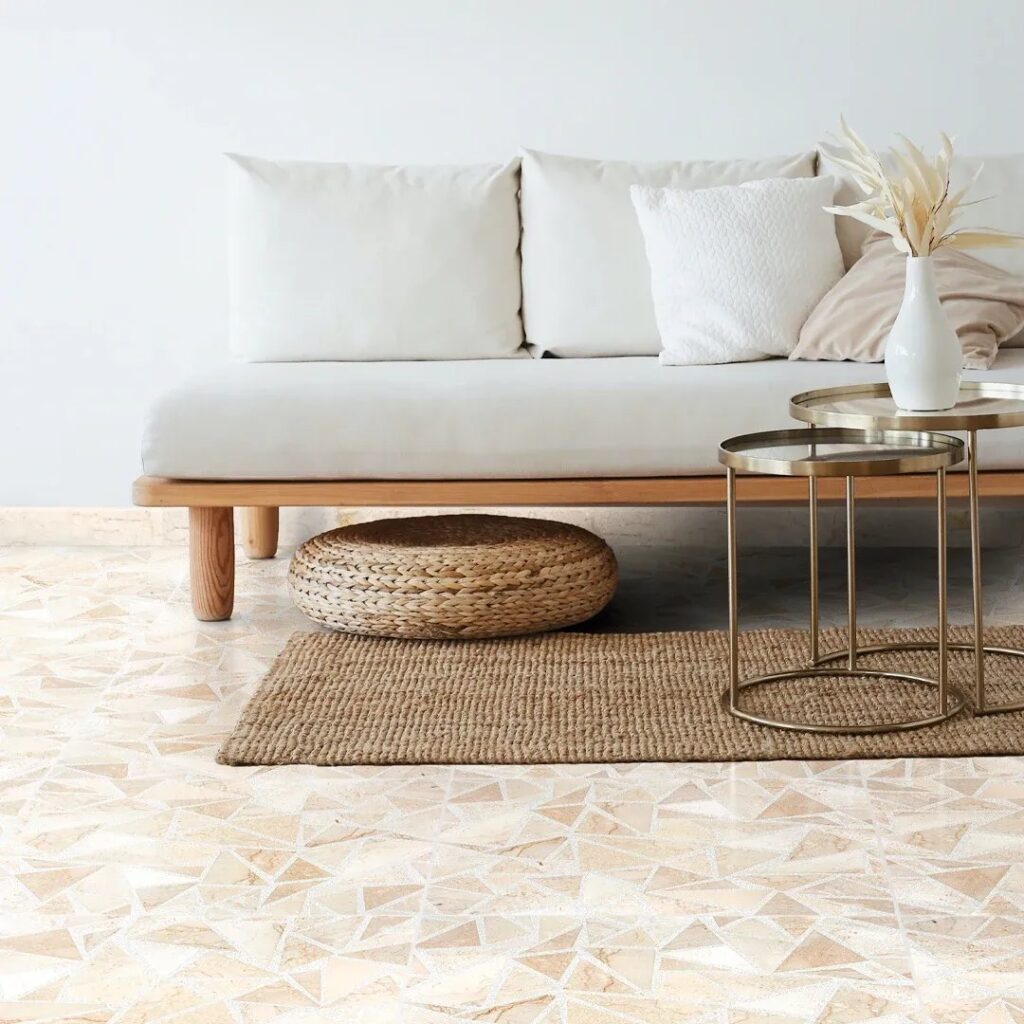

Reference photographs. They show the material and the finish; they are not photographs of goods we made, and the colour on screen is not a colour-match.
The figures, and where each one comes from
| Process | Typical thickness | What decides it |
|---|---|---|
| Precast panel | 20-30 mm | span between supports; fire rating |
| Cement-bound | 10-15 mm over substrate | substrate condition, not span |
| Poured | 8-12 mm | room size; needs movement joints |
| Epoxy | 3-6 mm | coating over a sound substrate |
| Porcelain tile | 8-10 mm | none — it is a tile |
Why the processes are not interchangeable
The number people quote for "terrazzo thickness" is usually the cement-bound figure, because that is the most common process by volume. Quoting it for a project that is actually precast over a wide span understates the requirement by a factor of two. The process has to be named before the thickness means anything.
What these figures are, and what they are not
These are published ranges. We have not measured any of them ourselves and we do not publish our own thickness figure until we have cut and measured a panel of each process we supply. The drawing above is to one scale so the difference between a 4 mm floor and a 30 mm panel is visible rather than asserted.
If you are specifying this
These are the forms we actually supply for this question, with production photographs where we have them: